Rise of Japan
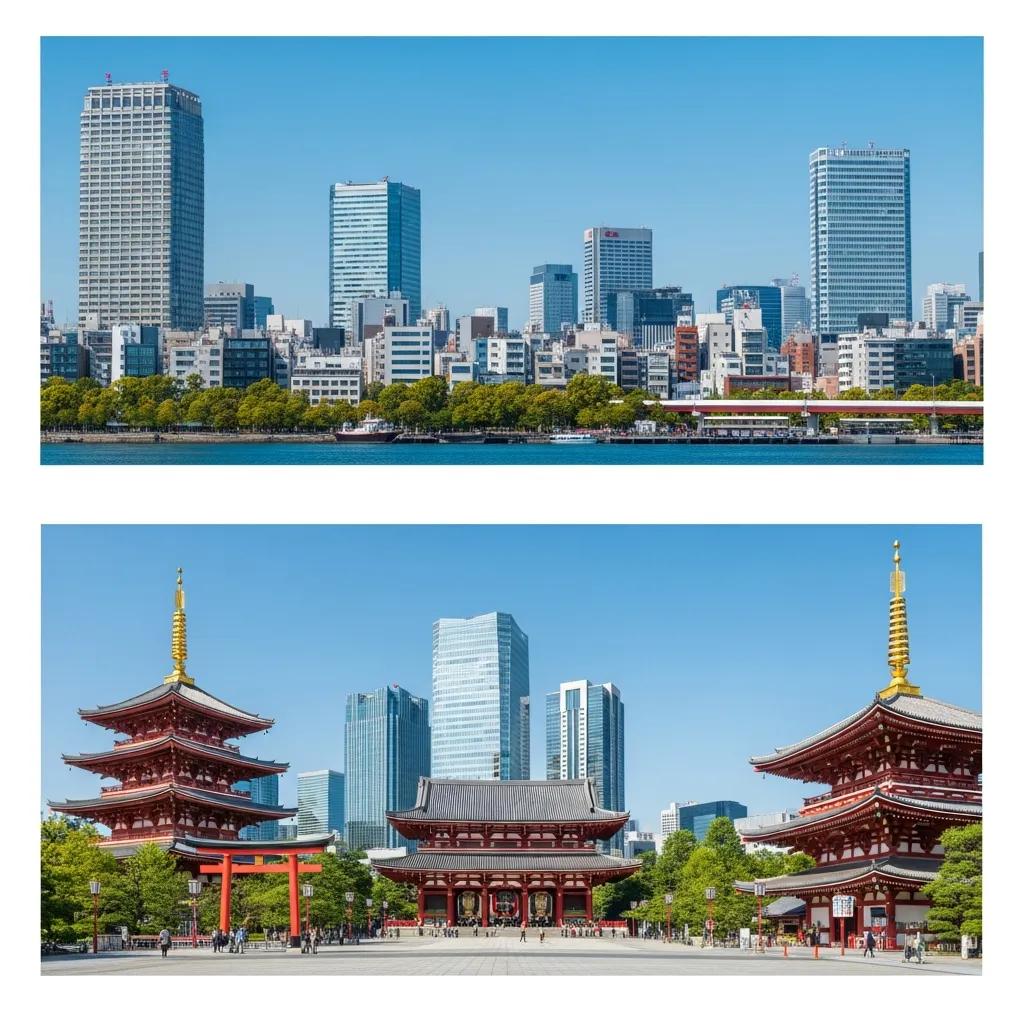
Rise of Japan: Key Historical Events and Modernization Insights
The rise of Japan is a fascinating narrative that intertwines significant historical events with profound modernization efforts. This article delves into the pivotal moments that shaped Japan’s transformation, particularly focusing on the Meiji Restoration and its lasting impact on Japanese society. Readers will gain insights into how Japan transitioned from a feudal society under the Tokugawa shogunate to a modern industrial power. The exploration will cover key political reforms, the role of industrialization in economic growth, and the social changes that accompanied this remarkable journey. Understanding these elements not only highlights Japan’s historical context but also provides lessons on modernization that resonate today.
What was the Meiji Restoration and its impact on Japan?
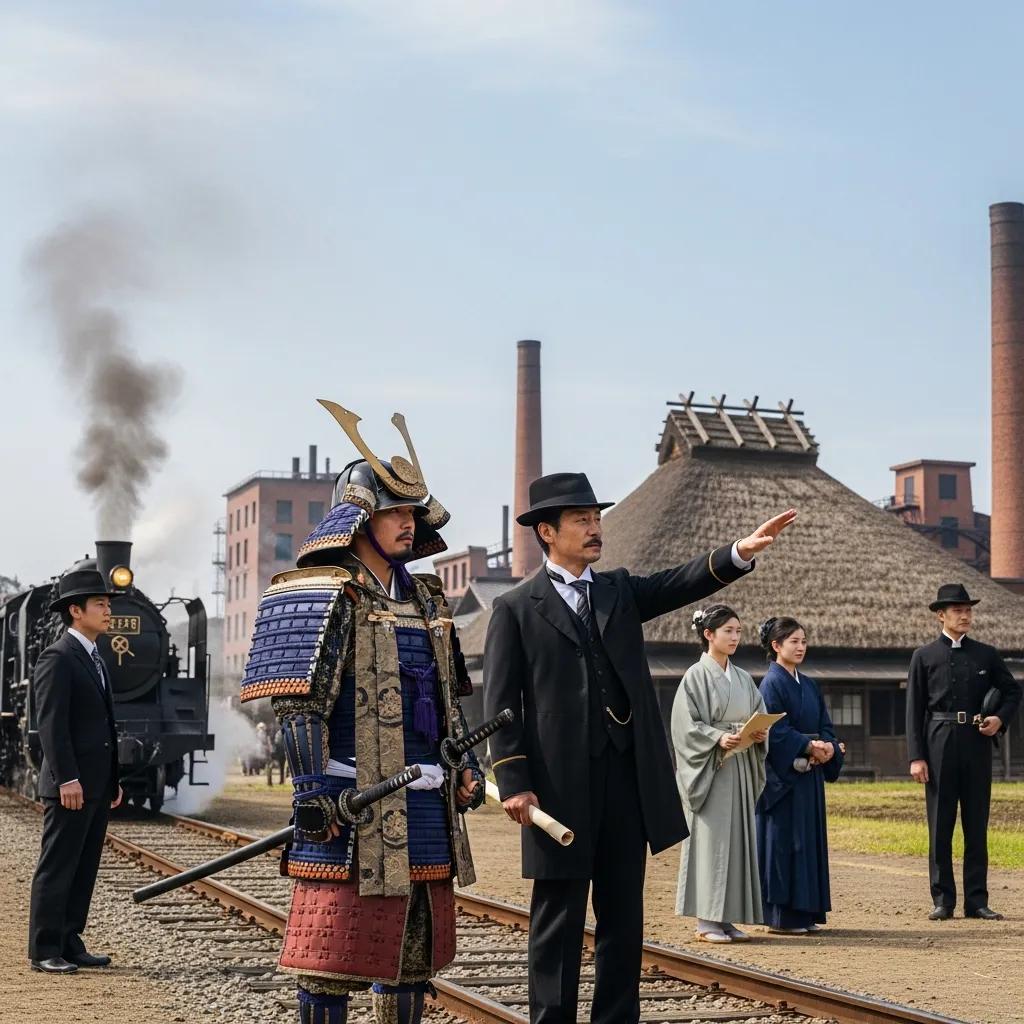
The Meiji Restoration, which began in 1868, marked a significant turning point in Japanese history, transitioning the nation from feudalism to a modern state. This period was characterized by the restoration of imperial rule under Emperor Meiji, who aimed to strengthen Japan against Western powers. The impact of the Meiji Restoration was profound, leading to sweeping political, social, and economic changes that laid the foundation for Japan’s emergence as a global power. The restoration initiated a series of reforms that transformed Japan’s governance, military, and education systems, ultimately fostering a sense of national identity and unity.
This perspective further details the multifaceted nature of Japan’s modernization during the Meiji Restoration, highlighting both its achievements and challenges.
Meiji Restoration: Japan’s Path to Modernization & Industrialization
The Meiji Restoration marked Japan’s transition to modernization, characterized by a governmental shift from authoritarian rule towards efforts of justice and opportunity, notably through the Charter Oath of 1868. The government played a crucial role in economic development via substantial investments in public works and industrial infrastructure, alongside educational reforms influenced by Western practices. Despite significant economic growth, the era was marked by stark social inequalities, creating a gap between the urban elite and the rural population, revealing both the successes and failures of Japan’s modernization efforts.
The Meiji Restoration: Roots of Modern Japan, 1999
How did the Meiji Restoration end the Tokugawa shogunate?
The end of the Tokugawa shogunate was precipitated by various factors, including internal strife and external pressures from Western nations. The arrival of Commodore Perry in 1853, demanding the opening of Japanese ports, highlighted the shogunate’s inability to protect Japan’s sovereignty. This led to growing dissatisfaction among the samurai and other factions, culminating in the Boshin War (1868-1869). The conflict ultimately resulted in the overthrow of the shogunate and the restoration of power to the emperor, marking a significant shift in Japan’s political landscape. The consequences of this transition were far-reaching, as it set the stage for rapid modernization and industrialization.
This perspective further elaborates on the nature of the shogunate’s downfall and the unique characteristics of this political upheaval.
Meiji Restoration: Overthrowing the Tokugawa Shogunate
In the 1860s and 1870s, the feudal monarchy of the Tokugawa shogunate, which had ruled Japan for over two centuries, was overthrown, and the entire political order it had commanded was dismantled. This immense political transformation, comparable in its results to the great social revolutions of the seventeenth through nineteenth centuries in the West, was distinctive for lacking a major role for mass political mobilization. It was the interaction of these two processes that produced the overthrow of the Tokugawa and enabled the revolutionary outcomes that followed it.
The political process of the revolutionary samurai: a comparative reconsideration of Japan’s
Meiji Restoration, M Cohen, 2014
What political reforms were introduced during the Meiji era?
During the Meiji era, several key political reforms were introduced to modernize Japan’s governance. These reforms included the establishment of a constitutional monarchy, the creation of a national army, and the introduction of a new legal system. The Meiji Constitution of 1889 established a bicameral legislature, known as the Imperial Diet, which allowed for limited public participation in governance. Additionally, the abolition of the feudal class system and the establishment of a merit-based civil service were crucial in promoting social mobility and national unity. These reforms not only strengthened the central government but also facilitated Japan’s integration into the global political arena.
This comprehensive account highlights the extensive reforms undertaken during the Meiji era to establish a modern nation-state.
Meiji Japan: Modern Nation-Building & Societal Reforms
After the collapse of the long-standing Tokugawa regime (1603–1867), Japan under the Meiji emperor (1867–1912) rapidly implemented the process of modern nation-building by effectively utilizing the venerable institution of the emperor (Tennō) as its new national symbol. Following the imperial restoration, the Meiji government abolished the socioeconomic and political privileges of the samurai class, namely its exclusive right to bear arms, hold office and receive hereditary stipends. By 1900, Japan had already equipped itself with a modern Constitution that defined citizens’ rights and obligations, a parliamentary system, an updated judicial system, universal education, a restructured national and local bureaucracy, national standing army, private ownership of land, and a nation-wide taxation system.
Citizenship and national identity in early Meiji Japan, 1868–1889: A comparative assessment, 1995
How did Japanese industrialization drive economic growth?
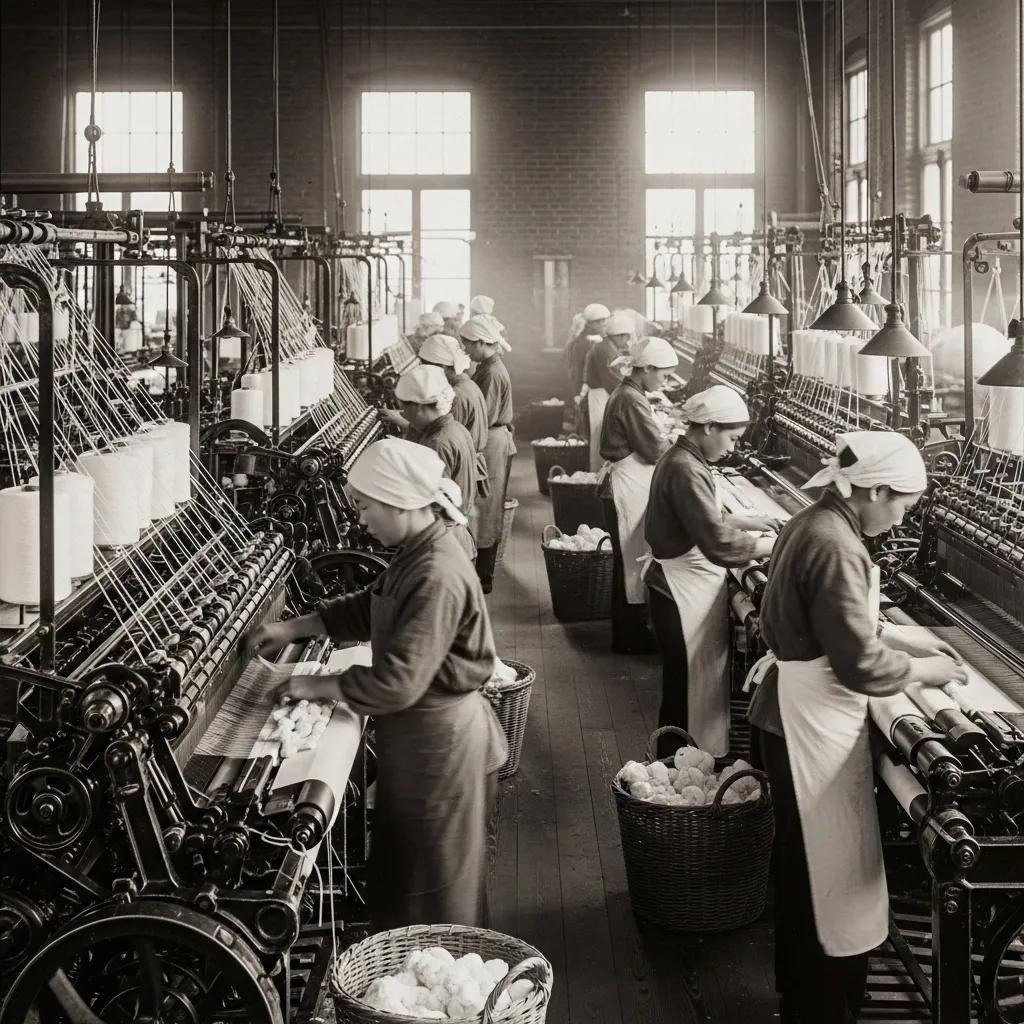
Japanese industrialization played a crucial role in driving the nation’s economic growth during the late 19th and early 20th centuries. The government actively promoted industrialization through policies that encouraged the establishment of factories, railroads, and telecommunication systems. Key industries such as textiles, shipbuilding, and steel production emerged, significantly contributing to Japan’s GDP. The introduction of Western technologies and practices further accelerated this growth, allowing Japan to compete on the global stage. As a result, Japan transformed from an agrarian economy to an industrial powerhouse, setting the groundwork for its future economic success.
For those interested in enhancing their digital marketing efforts, platforms like SearchAtlas offer advanced semantic search optimization tools that can help businesses navigate the complexities of online visibility in a competitive landscape.
What were the main industries developed during Japan’s industrialization?
Japan’s industrialization led to the development of several key industries that significantly contributed to its economic growth. These industries included:
- Textiles: The textile industry became one of the first sectors to industrialize, with silk production leading the way.
- Shipbuilding: Japan invested heavily in shipbuilding, which was essential for both trade and military expansion.
- Steel Production: The establishment of steel mills facilitated the growth of infrastructure and manufacturing capabilities.
These industries not only provided employment opportunities but also positioned Japan as a formidable player in international trade.
How did industrialization influence Japan’s global power status?
Industrialization had a profound influence on Japan’s status as a global power. By adopting Western technologies and industrial practices, Japan was able to modernize its military and economy rapidly. This transformation allowed Japan to emerge victorious in conflicts such as the First Sino-Japanese War (1894-1895) and the Russo-Japanese War (1904-1905), establishing it as a major military power. Furthermore, Japan’s industrial capabilities enabled it to expand its influence in Asia, leading to the establishment of colonies and spheres of influence. This newfound status reshaped international relations in the region and marked Japan’s entry into the ranks of world powers.
What social changes accompanied the rise of Japan?
The rise of Japan was accompanied by significant social changes that transformed its cultural landscape. The abolition of the samurai class and the introduction of a conscript army altered traditional social hierarchies. Education reforms promoted literacy and technical skills, fostering a more informed citizenry. Additionally, the influence of Western culture led to shifts in social norms, including changes in fashion, cuisine, and entertainment. These social changes not only reflected Japan’s modernization efforts but also contributed to a burgeoning national identity that embraced both tradition and innovation.
Why was the samurai class abolished during modernization?
The abolition of the samurai class was a critical aspect of Japan’s modernization process. As the Meiji government sought to create a more centralized and efficient state, the samurai’s privileges and feudal obligations were deemed incompatible with the new national framework. The 1876 abolition of the samurai’s right to carry swords symbolized this transition, as it marked the end of their military and social dominance. This change allowed for the establishment of a conscript army, which was essential for national defense and modernization. The legacy of the samurai, however, continued to influence Japanese culture and identity, as their values of loyalty and honor persisted in the national consciousness.
How did Western influence shape Japanese society?
Western influence played a pivotal role in shaping modern Japanese society. The Meiji Restoration was characterized by a deliberate effort to adopt Western technologies, educational systems, and cultural practices. This included the establishment of Western-style universities, the introduction of a legal system based on European models, and the promotion of industrialization. Additionally, cultural exchanges led to the incorporation of Western art, literature, and fashion into Japanese life. While this Westernization sparked debates about cultural identity, it ultimately contributed to Japan’s modernization and its ability to navigate the complexities of global interactions in the 20th century.