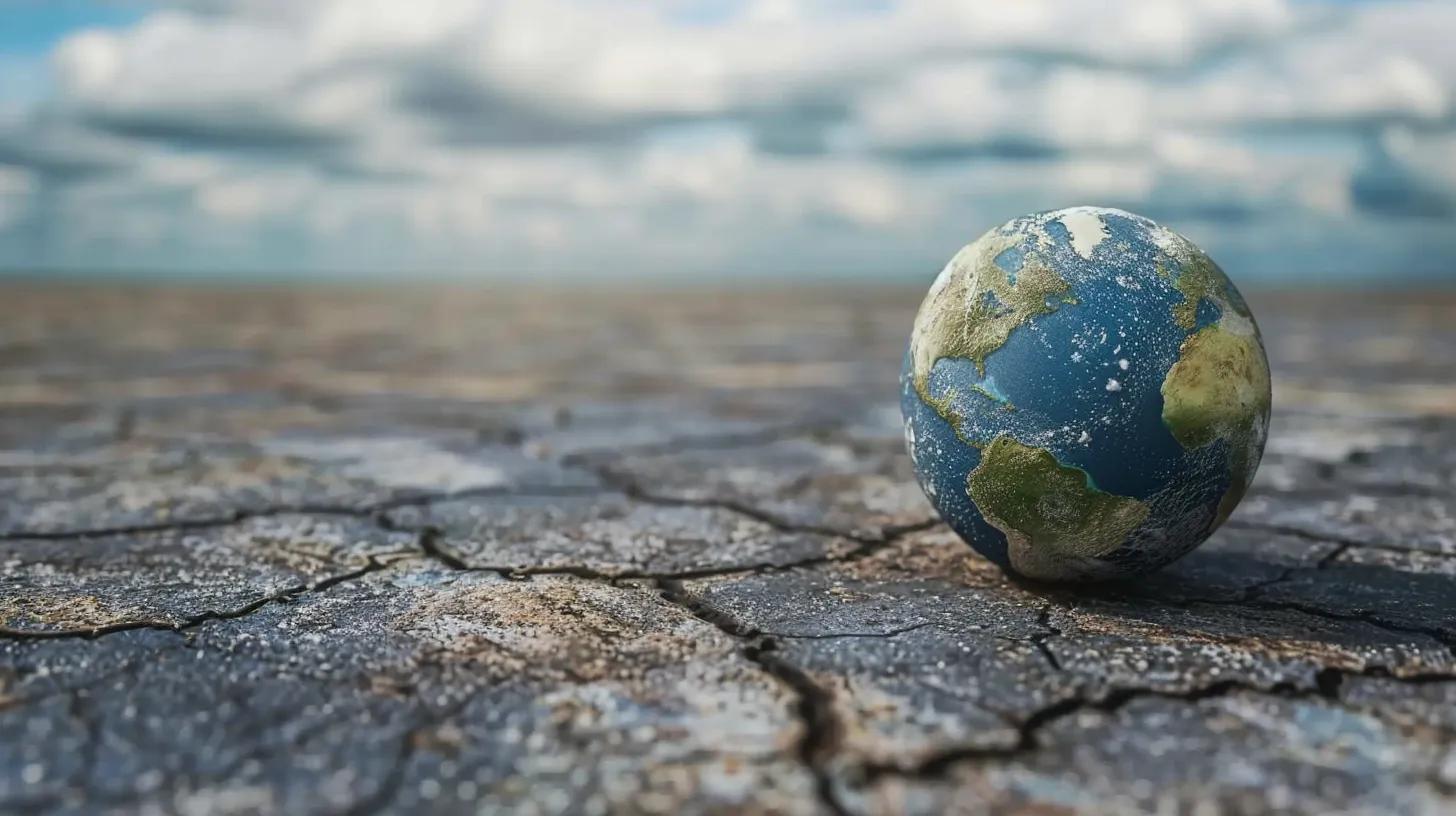
Understanding Global Warming: Causes, Effects, and Solutions for Climate Change
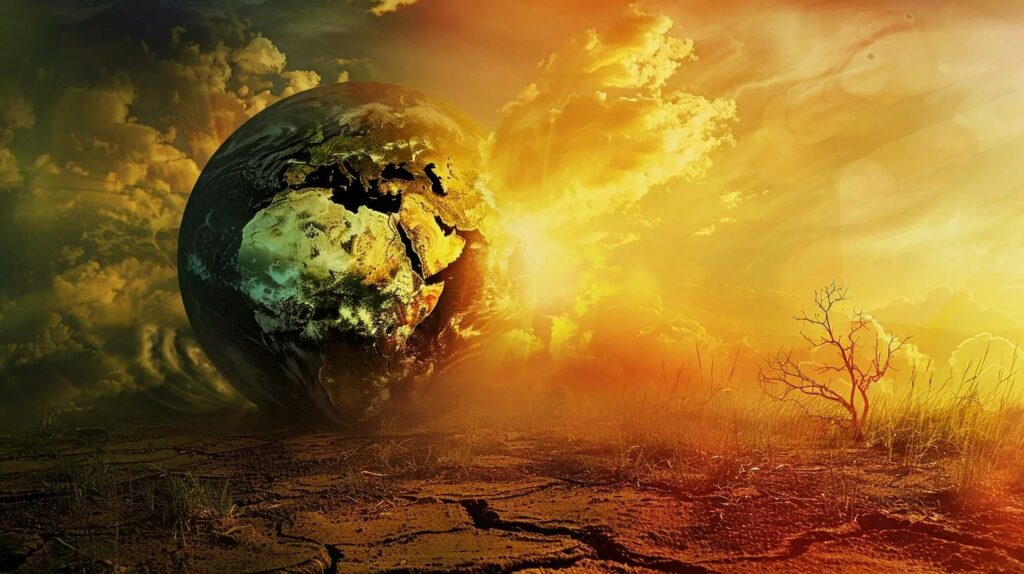
Global warming represents one of the most pressing challenges of our time, driven primarily by human activities that increase greenhouse gas emissions. This phenomenon leads to significant changes in climate patterns, affecting ecosystems and human societies alike. In this article, we will explore the causes of global warming, its effects on our planet, and potential solutions to mitigate its impact. Readers will gain insights into the mechanisms behind climate change, the role of renewable energy, and strategies for reducing carbon emissions. By understanding these elements, we can better address the urgent need for climate action and sustainable practices.
What are the main causes of global warming and greenhouse gas sources?
Global warming is primarily caused by the accumulation of greenhouse gases in the atmosphere, which trap heat and lead to rising global temperatures. The main sources of these gases include carbon dioxide (CO2), methane (CH4), and nitrous oxide (N2O). Human activities, particularly the burning of fossil fuels for energy, deforestation, and industrial processes, significantly contribute to these emissions.
How do carbon emissions from fossil fuels contribute to climate change?
Carbon emissions from fossil fuels, such as coal, oil, and natural gas, are the largest contributors to global warming. When these fuels are burned for energy, they release significant amounts of CO2 into the atmosphere. This increase in carbon dioxide enhances the greenhouse effect, leading to higher global temperatures. For instance, in 2021, fossil fuel combustion accounted for approximately 76% of total greenhouse gas emissions, underscoring the urgent need for a transition to cleaner energy sources.
What role does deforestation play in increasing greenhouse gases?
Deforestation exacerbates global warming by reducing the number of trees that can absorb CO2 from the atmosphere. When forests are cleared for agriculture or urban development, not only is this carbon-absorbing capacity lost, but the act of cutting down trees also releases stored carbon back into the atmosphere. In fact, deforestation is responsible for about 11% of global greenhouse gas emissions, highlighting the critical need for sustainable land management practices.
Further research provides specific figures on deforestation’s significant contribution to global CO2 emissions, emphasizing the need for better data.
Deforestation’s Contribution to Global CO2 Emissions
Deforestation contributes 6–17% of global anthropogenic CO2emissions to the atmosphere1. Large uncertainties in emission estimates arise from inadequate data on the carbon density of forests2and the regional rates of deforestation. Consequently there is an urgent need for improved data sets that characterize the global distribution of aboveground biomass, especially in the tropics.
Estimated carbon dioxide emissions from tropical deforestation improved by carbon-density maps, SJ Goetz, 2000
How does global warming affect sea levels and weather patterns?
Global warming has profound effects on sea levels and weather patterns, leading to increased flooding, droughts, and extreme weather events. As temperatures rise, polar ice caps and glaciers melt, contributing to rising sea levels that threaten coastal communities worldwide. Additionally, warmer air holds more moisture, leading to more intense rainfall and storms.
What is the impact of sea level rise on coastal regions?
The impact of sea level rise on coastal regions is significant, with projections indicating that sea levels could rise by up to 3.3 feet (1 meter) by 2024 if current trends continue. This rise threatens to inundate low-lying areas, displacing millions of people and causing extensive damage to infrastructure. Cities like Miami and New Orleans are already experiencing increased flooding, prompting urgent calls for adaptation and resilience planning.
How are extreme weather events linked to global warming?
Extreme weather events, such as hurricanes, heatwaves, and wildfires, are increasingly linked to global warming. Research indicates that the frequency and intensity of these events are rising due to climate change. For example, the 2020 Atlantic hurricane season was one of the most active on record, with scientists attributing some of this activity to warmer ocean temperatures. Understanding these connections is crucial for developing effective disaster response strategies.
What renewable energy solutions help reduce carbon emissions?
Renewable energy solutions play a vital role in reducing carbon emissions and combating global warming. By harnessing natural resources such as sunlight, wind, and water, these technologies provide cleaner alternatives to fossil fuels.
Which renewable technologies are most effective against global warming?
Several renewable technologies are particularly effective in reducing greenhouse gas emissions. Solar energy, for instance, has seen significant advancements, with solar panels now capable of converting sunlight into electricity with high efficiency. Wind energy is another powerful solution, with wind turbines generating clean power without emissions. Additionally, hydropower remains a reliable source of renewable energy, contributing to a significant portion of global electricity generation.
How can renewable energy adoption mitigate climate change effects?
The adoption of renewable energy can significantly mitigate the effects of climate change by reducing reliance on fossil fuels. Transitioning to renewable sources can lower carbon footprints, enhance energy security, and create jobs in the green economy. For example, countries that have invested in renewable energy infrastructure have seen substantial reductions in their greenhouse gas emissions, demonstrating the effectiveness of these solutions in addressing climate change.
What strategies exist for carbon emissions reduction and climate mitigation?
Various strategies exist for reducing carbon emissions and mitigating climate change. These include international agreements, policy initiatives, and technological innovations aimed at promoting sustainability.
How do international agreements like the Paris Agreement support emission cuts?
International agreements, such as the Paris Agreement, play a crucial role in coordinating global efforts to combat climate change. The agreement sets targets for countries to reduce their greenhouse gas emissions, aiming to limit global warming to well below 2 degrees Celsius. By fostering collaboration and accountability, these agreements encourage nations to adopt cleaner energy practices and invest in sustainable technologies.
What role do carbon capture and policy initiatives play in mitigation?
Carbon capture technologies and policy initiatives are essential components of climate mitigation strategies. Carbon capture and storage (CCS) involves capturing CO2 emissions from industrial sources and storing them underground to prevent their release into the atmosphere. Additionally, policies that promote energy efficiency, renewable energy adoption, and sustainable land use are critical for achieving long-term emissions reductions.
Further research delves into the specifics of human-induced CO2 emissions and the various carbon capture technologies designed to mitigate their impact.
Human CO2 Emissions & Carbon Capture Technologies
Human activities have led to a massive increase in\(\hbox {CO}_{2}\)emissions as a primary greenhouse gas that is contributing to climate change with higher than\(1\,^{\circ }\hbox {C}\)global warming than that of the pre-industrial level. We evaluate the three major technologies that are utilised for carbon capture: pre-combustion, post-combustion and oxyfuel combustion.
Recent advances in carbon capture storage and utilisation technologies: a review, AI Osman, 2021
How are global and regional case studies illustrating recent climate trends?
Global and regional case studies provide valuable insights into the impacts of climate change and the effectiveness of mitigation strategies. By analyzing data from various regions, researchers can identify trends and develop targeted solutions.
What do 2024-2026 data reveal about accelerated ice melt and temperature rise?
Data from 2024-2026 indicate an alarming acceleration in ice melt across the Arctic and Antarctic regions, contributing to rising sea levels. Satellite observations show that ice sheets are losing mass at unprecedented rates, with implications for global sea levels and weather patterns. This data underscores the urgency of addressing climate change through immediate action and policy reform.
The severe consequences of this accelerated ice melt, particularly glacier retreat, are further elaborated in studies highlighting its broad environmental and societal impacts.
Glacier Retreat: Global Warming’s Impact & GHG Reduction
Global warming is causing irreversible glacier retreat. This phenomenon will have major consequences for the environment and human systems, particularly in terms of water availability, increased natural hazards, slope and valley stability, hydroelectric power generation, tourism, culture, and local lifestyles. Only a drastic and rapid reduction in greenhouse gas emissions could slow this phenomenon, but this reduction is slow in coming.
Policy Aspects of Mitigation and Adaptation to Glacier Melt, 1979
How do regional impacts vary and what adaptation measures are effective?
Regional impacts of climate change vary significantly, with some areas experiencing more severe effects than others. For instance, coastal regions face heightened risks from sea level rise, while inland areas may suffer from increased droughts. Effective adaptation measures include investing in resilient infrastructure, implementing sustainable agricultural practices, and enhancing community preparedness to withstand climate-related challenges.
For detailed information on climate policies and international efforts, the Paris Agreement provides comprehensive resources and updates.
Leave a Reply